
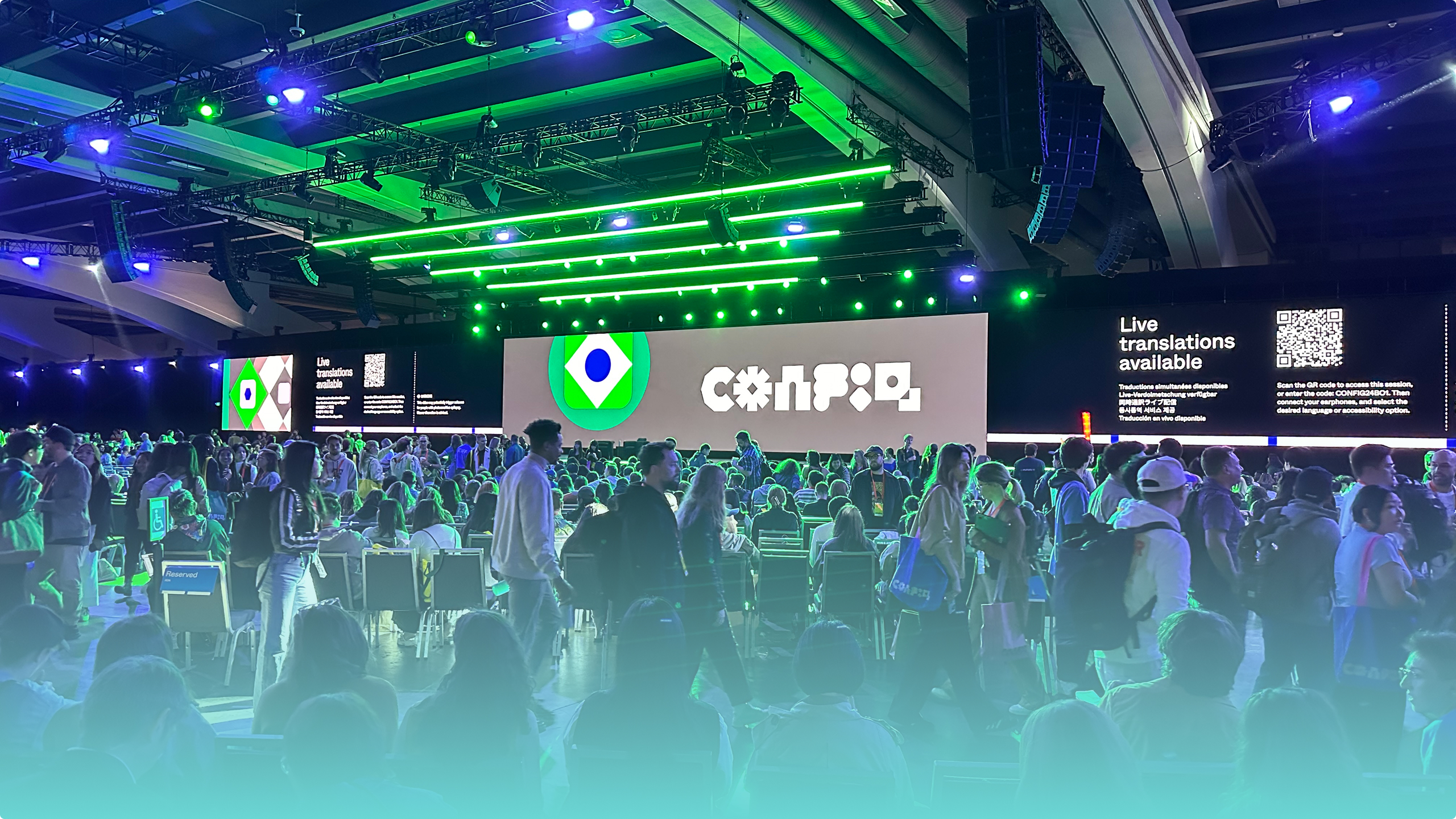
This year I had the opportunity to attend Config in person to connect with other product professionals. My agenda consisted of mostly Design Systems with a few sessions on the future of software experiences. Speaking with other attendees there was consensus that the industry, as we know it, is about to change with the introduction of AI. I am optimistic as I think these advancements are going to help the profession forward.

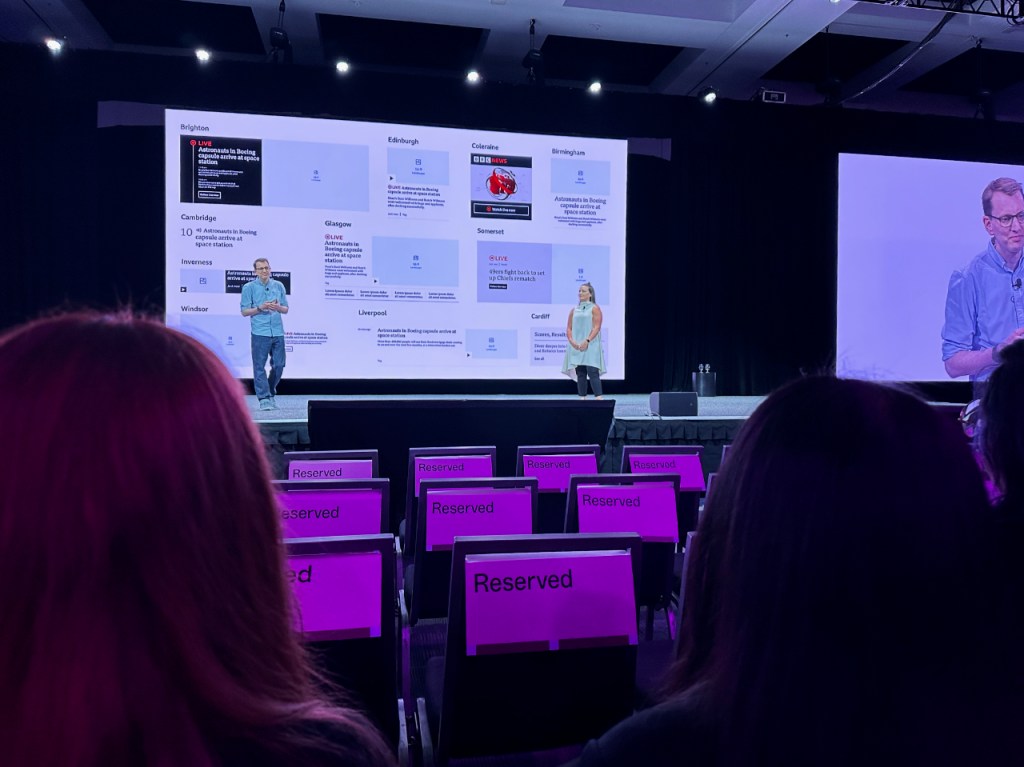
Augmenting Design Efficiency
Enabling designers to work more efficiently took several forms at this year’s Config. The integration of artificial intelligence was most prominent with the addition of automation capabilities in Figma to a first of its kind home design tool from Icon.

There has been a lot of trepidation with the introduction of AI in design but I am starting to believe these integrations are a net positive for the industry. Figma is taking the approach of automating mundane tasks like naming layers and setting up auto layout to ease our workflows. Conveniences like this have already been in Figma with the tool specifying black or white for new text based on the background color. Continuing to automate my workflow so I can focus on the important work is a welcome addition.
Elevating Craft
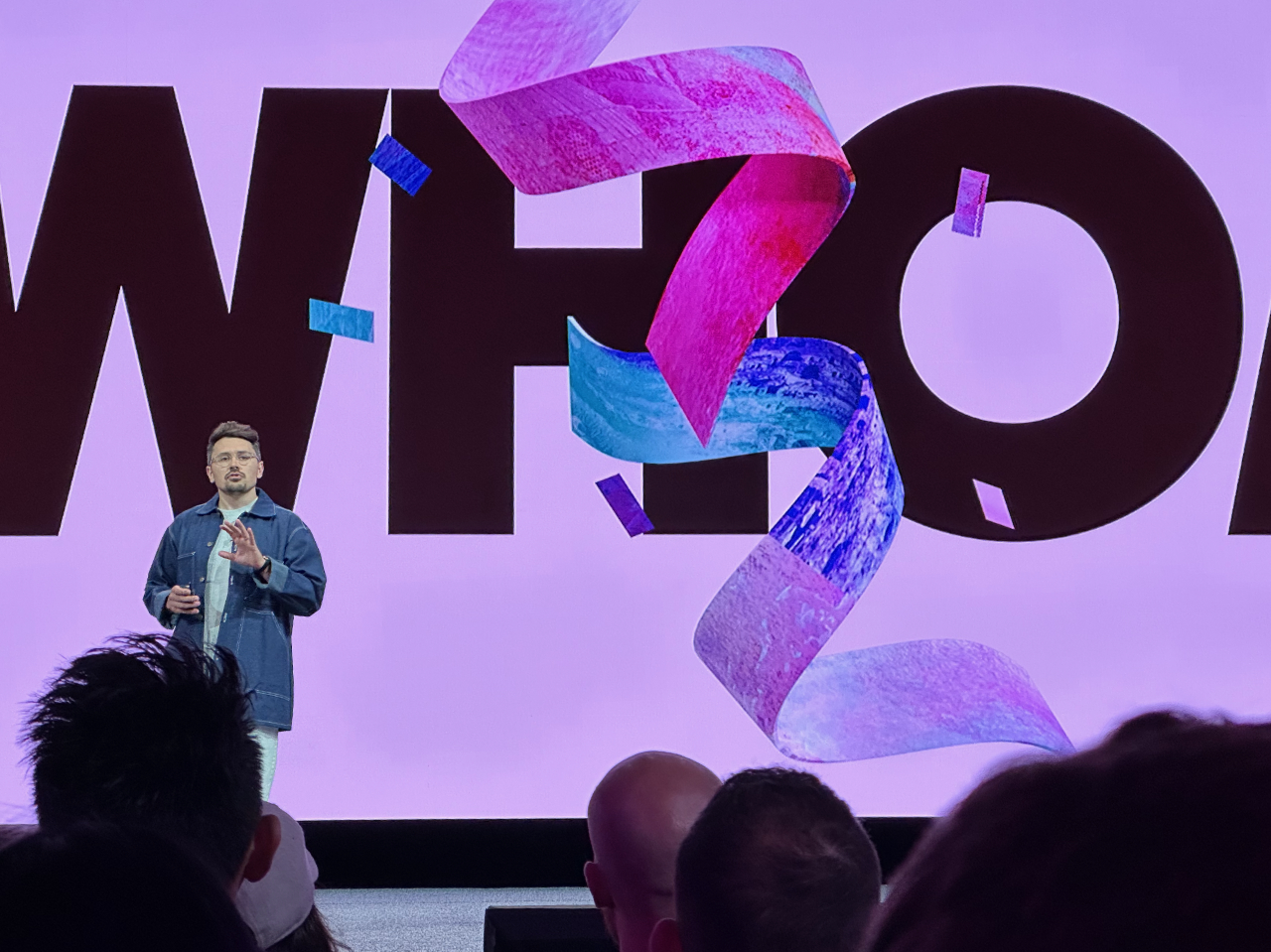
With the industry focused on design systems as a way to increase velocity, I was not surprised to see the pendulum swing and craft re-enter the conversation. This was mentioned in Cam Worboys’ session on The broken promises of design systems. Cam highlighted the impact of commoditizing user interface design in the pursuit of faster implementation. Everything starts to look the same.
“What’s different gets remembered and what’s remembered wins”
Cam Worboys
Recycling the same components and patterns creates unification not only within your product, but with competitor products. Knowing when to break from the norm and introduce new elements is an important decision in differentiating your product.
It also pokes holes in the idea of AI building bespoke interfaces for us. With a fixed set of components and patterns to pull from, the intelligence would have to know about patterns outside of the product it is designing for to introduce something new. The complexity of successfully achieving this level of design automation is high and only time will tell if we can reach this level of automation.


Designing For the Future
The sessions from Humane and Apple on the experiences that can be built with their new hardware products was inspiring. As the industry continues to solve screen interaction problems, I think this new era of devices is where innovation and career opportunities are going to be.
These devices take very different approaches to serving users with information. Apple is sticking with an app ecosystem to distribute experiences. In the long run, I think we are going to shift toward Humane’s services approach of information being provided in a single interface. Leaving behind the idea of jumping into siloed apps to completes tasks.

Pro Tip
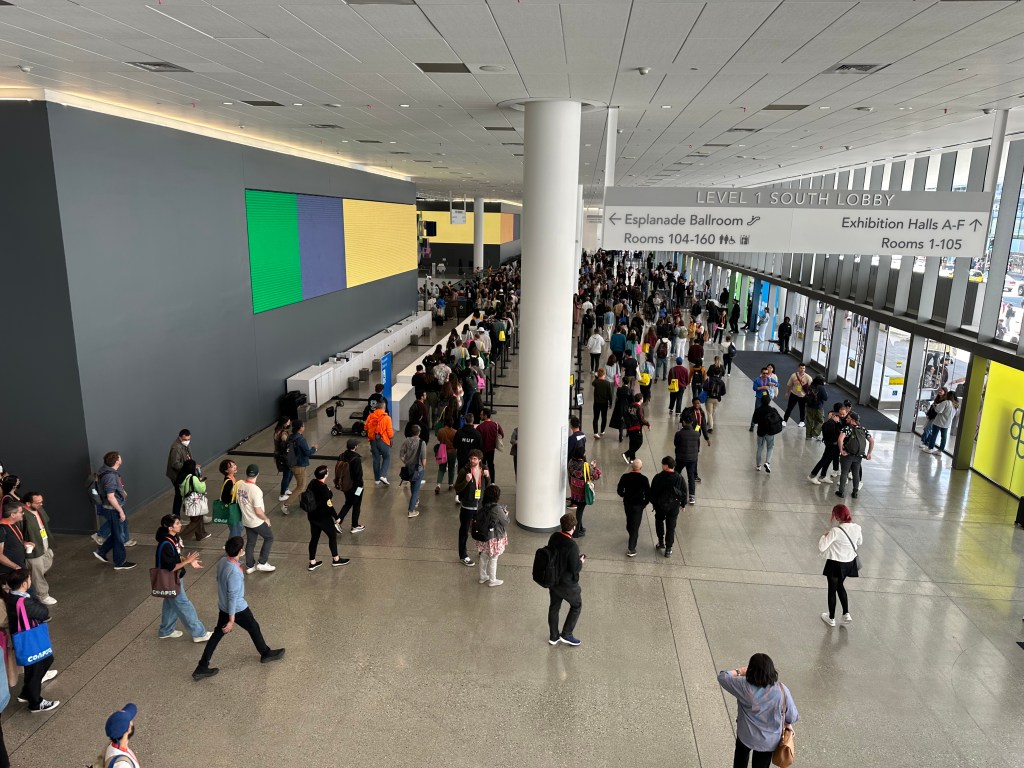
If you are planning to attend Config in person and have the flexibility, I would recommend arriving the afternoon before day 1. Get your badge that afternoon and attend the networking events while everyone is energized. Waiting until the morning of day 1 to pickup your badge can delay the start of your conference and by the end of day 2 attendees are loosing interest in networking.